Відкрийте світ разом з нами
Від золотих пляжів Середземномор'я до гімалайських вершин — оберіть свою наступну пригоду
Western Europe
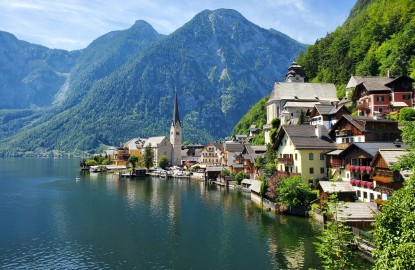
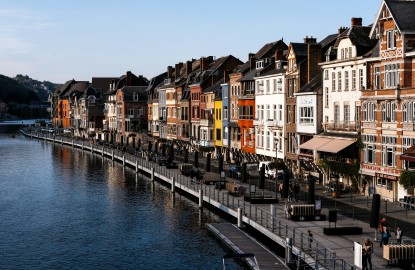
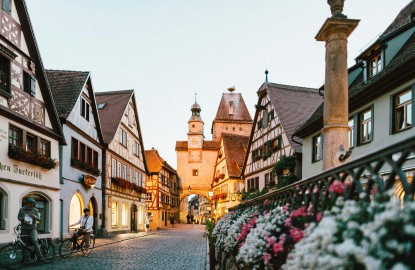
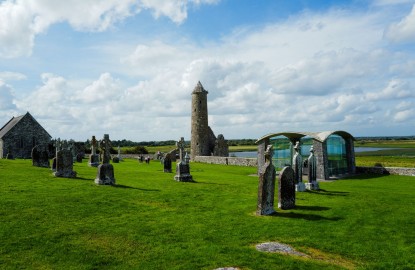
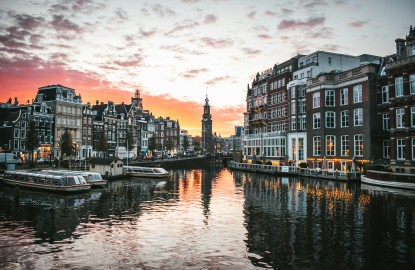
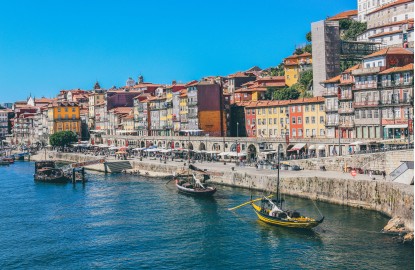
The world's most visited destination. Over 300 million travelers arrive here each year — and it's no surprise: Paris with the Eiffel Tower and the Louvre, Barcelona with Gaudí's architecture, Amsterdam with its canals and museums, Vienna with its palaces and philharmonic. A third of all humanity's cultural heritage is preserved here. The Swiss and Austrian Alps become a skier's paradise in winter and offer unforgettable hikes in summer. The Rhine, Loire, and Danube rivers carry not only water but millennia of history. Michelin-starred restaurants, cozy bistros, Bavarian breweries, Belgian chocolate — gastronomy here is a form of art in itself. Well-developed infrastructure, Schengen-free movement, and a dense rail network make travel effortless even without a detailed plan.
Southern Europe
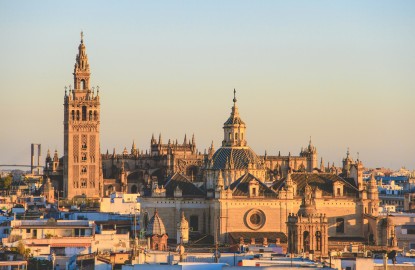
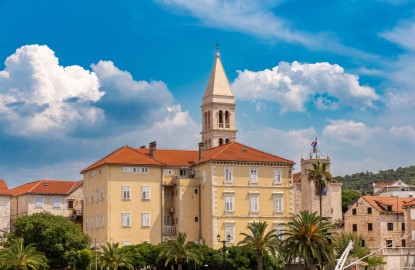
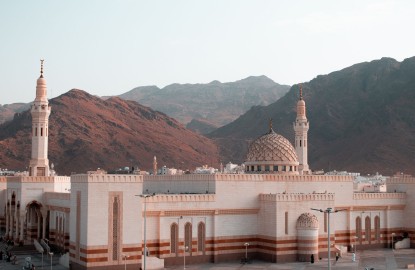
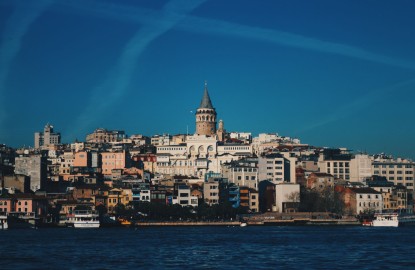
The Mediterranean is a way of life, not just a geography. Rome with the Colosseum and Vatican, Athens with the Acropolis, Dubrovnik — the Pearl of the Adriatic, Barcelona and Madrid, Istanbul straddling two continents — every city here is its own world-stage. Greece alone offers over 6,000 islands, most still largely untouched. The Italian peninsula goes beyond the Riviera and Tuscany to encompass lesser-known but equally stunning Puglia, Calabria, and Basilicata. Turkey's Aegean and Mediterranean coastline stuns with its mix of ancient ruins and modern resorts. The sun shines more than 300 days a year, olive groves stretch to the horizon, and local markets overflow with the scents of herbs, cheese, and fresh fish.
Northern Europe
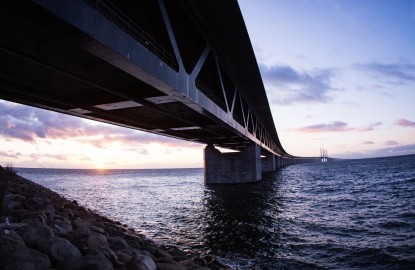
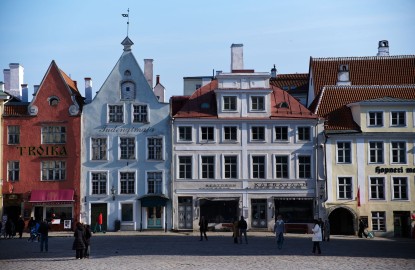
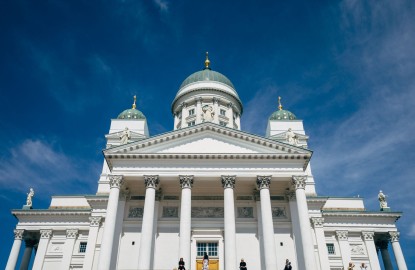
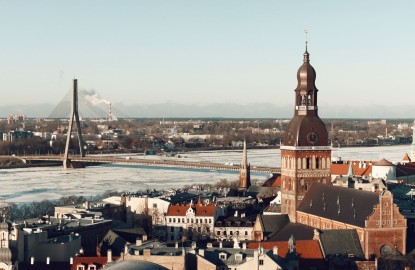
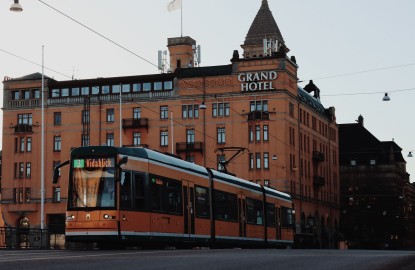
Norwegian fjords are among the most breathtaking natural spectacles on Earth: kilometer-high vertical cliffs plunge straight into deep-blue water. Iceland offers volcanoes, geysers, waterfalls, and curtains of northern lights — all on one small island. Finland and Sweden are the birthplace of saunas, lake labyrinths, and the lagom philosophy the entire world tries to emulate. Denmark brings cozy hygge and the world's best restaurant by Michelin's measure. Tallinn's Old Town is better preserved than any other medieval city in Europe. The region leads in sustainable tourism and eco-living — visitors don't just vacation here, they rethink their relationship with nature. White nights in Helsinki and St. Petersburg are a separate magical phenomenon worth witnessing at least once.
Eastern Europe
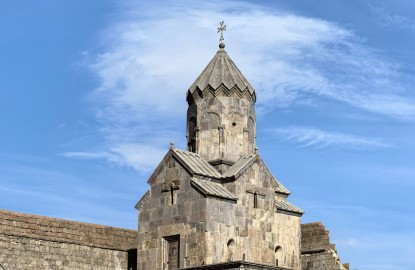
Where West meets East — and that's exactly what makes this region so special. Prague with its medieval Old Town and Charles Bridge, Kraków with the magnificent Wawel Castle, Budapest straddling both banks of the Danube — cities that miraculously survived centuries of wars and remained almost untouched. Masterpieces of Gothic and Baroque architecture, Orthodox monasteries carved into cliffs, and medieval fortresses above gorges are all preserved here. The region offers authentic experiences without tourist saturation, at prices significantly lower than the West. Polish cuisine, Hungarian goulash, Transylvanian wines, Bulgarian banitsa — flavors few expect but everyone remembers. The Carpathians and Balkans are open to hiking and agritourism.
Southeast Asia
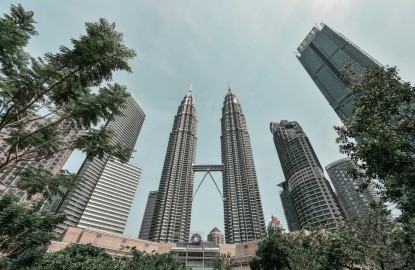
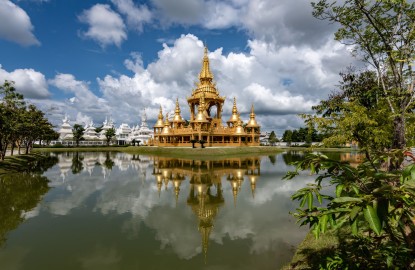
Thailand, Vietnam, Bali, Cambodia, Malaysia, the Philippines — each country here is its own universe of experiences. Angkor Wat in Cambodia is the largest religious complex on Earth, built in the 12th century and still awe-inspiring in scale. Bali's rice terraces and clifftop ocean temples appear on every must-see before you die list. The region's street food — pad thai, pho bo, laksa — is a reason to travel in itself. The tropical islands of Thailand, the Philippines, and Indonesia offer some of the world's best diving and snorkeling. Yet prices remain among the lowest globally for tourists: quality travel here is accessible on any budget. The region welcomed over 130 million visitors in 2024.

East Asia
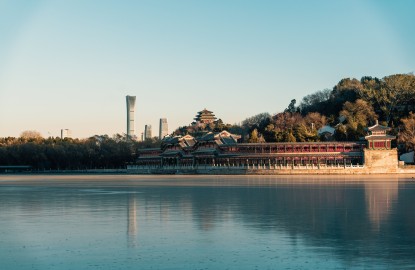
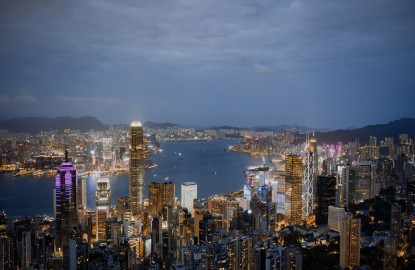
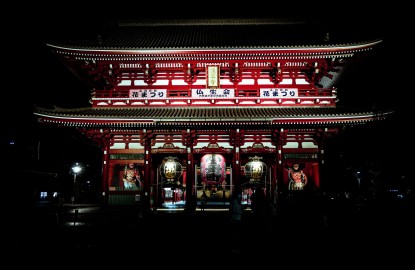
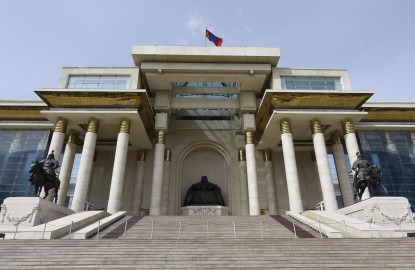
Japan set a visitor record in 2024 — over 36 million tourists — and for good reason. Tokyo blends 3-Michelin-star restaurants beside ramen street stalls, ultra-modern skyscrapers alongside thousand-year-old Shinto shrines. Kyoto is a living museum of Japanese culture: over 2,000 temples and gardens. China offers everything from the Great Wall to the rice terraces of Yunnan, from hyper-modern Shanghai to ancient Xi'an with its Terracotta Army. South Korea brings K-pop and tech, but also Korean barbecue, kimchi, Seoul's Namsan, and traditional hanok districts. Mongolia awaits those who seek true wilderness: boundless steppe, ger camps, and descendants of Genghis Khan. The region leads globally in tourism growth rates.
South Asia
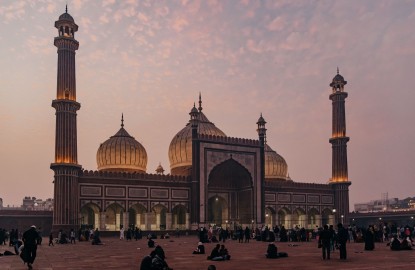
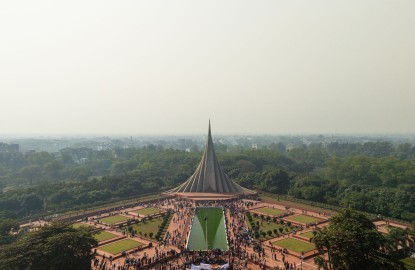
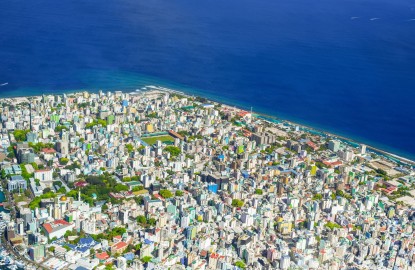
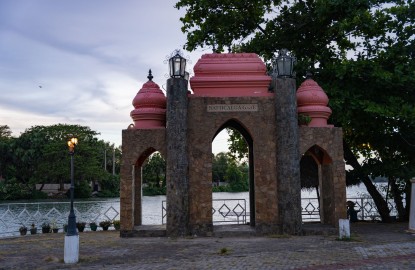
India is one of the most complex and richly layered countries in the world. The Taj Mahal in Agra, Varanasi on the banks of the sacred Ganges, the Pink City of Jaipur, Rajasthan's palaces, and Darjeeling's tea plantations — each state is its own cultural universe. The Himalayas draw climbers and trekkers from around the world: Nepal offers the Everest Base Camp trek and the Annapurna Circuit. Sri Lanka is an island where ancient Buddhist stupas stand amid jungle, and the world's finest tea is brewed straight on the plantation. Ayurveda, yoga, and meditation here are not tourist attractions but millennia-old living traditions. The region remains one of the world's most spiritually charged destinations.
Middle East
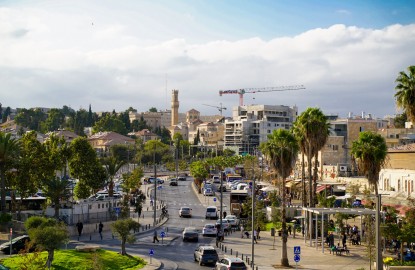
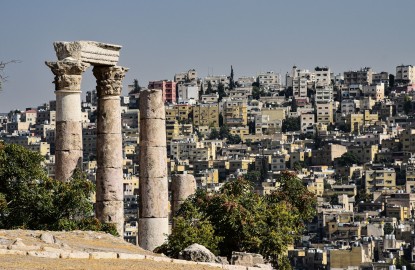
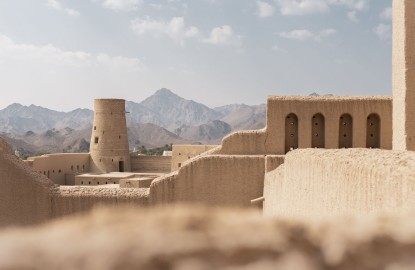
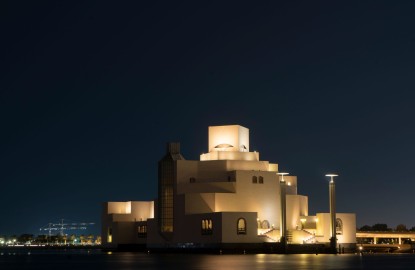
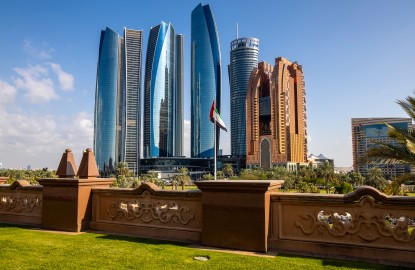
Dubai and Abu Dhabi transformed from fishing villages into the world's most luxurious destinations in just 50 years: the Burj Khalifa — the tallest building on Earth — the Palm Islands, and the Louvre Abu Dhabi. Israel offers a route unique in the world: Jerusalem, the holy city of three religions; the Dead Sea, the lowest point on land; and Tel Aviv with its nightlife and hummus. Jordan hides Petra, the rose-red city carved from cliff-face, and Wadi Rum, the Martian desert landscape used as a filming location for The Martian and Star Wars. Oman remains the region's most underrated destination: authentic Arab culture without the hype. Saudi Arabia only opened to tourists in 2019 and already offers the Al-Ula cliffs, which rival Petra in beauty.
Central Asia
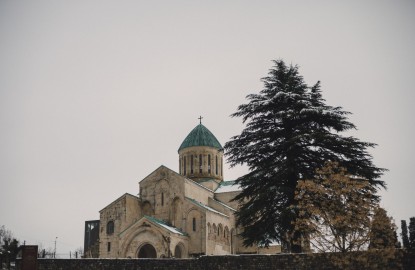
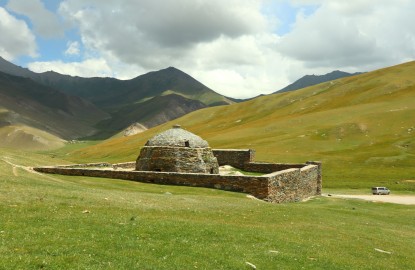
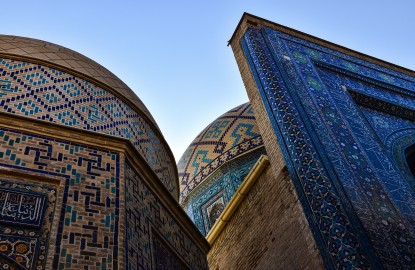
Samarkand and Bukhara — names that sound like poetry. These Uzbek cities stood on the Great Silk Road for a thousand years and preserved mosques and madrasas of breathtaking beauty. The Registan in Samarkand is one of the greatest architectural ensembles in human history. Kazakhstan stuns with contrasts: Almaty at the foot of the Tian Shan, endless steppes, and the ultra-modern Astana built almost from scratch. Kyrgyzstan is a trekker's paradise: Lake Issyk-Kul, Pamir meadows, and yurt camps where time seems frozen. Turkmenistan holds the Darvaza Gas Crater — the Gates of Hell — burning for over 50 years. Tajikistan opens the world's highest paved roads along the Pamir Highway. A region for those who seek genuine discovery, not tourist crowds.
North America
The USA, Canada, and Mexico — three entirely different travel universes under one roof. New York, where in a single day you can visit MoMA, Central Park, Brooklyn Bridge, and Times Square. The Grand Canyon in Arizona immerses you in 2 billion years of Earth's geological history. Yellowstone is the world's largest geothermal region with over 10,000 geysers. Canada draws visitors with Niagara, the Banff Rockies, northern lights over the Yukon, and the lakes of British Columbia. Mexico is far more than Cancun beaches — think Teotihuacan pyramids, the colonial towns of Oaxaca, and vibrant folk art. The region spans everything from Arctic landscapes to tropical jungles.
Central America
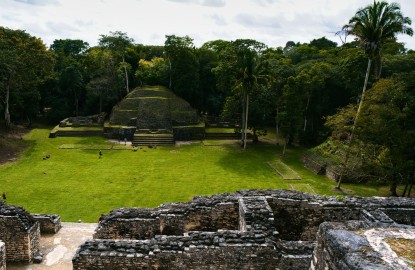
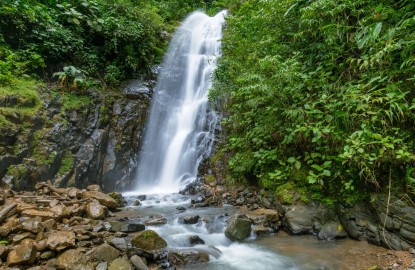
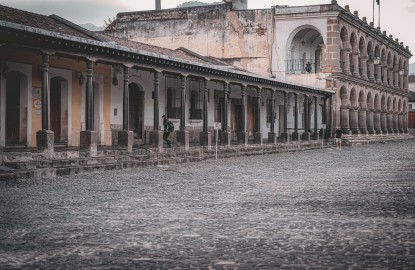
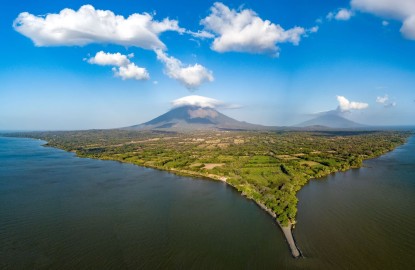
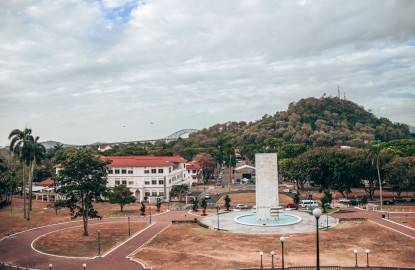
A region between two oceans and two continents, preserving traces of the ancient world's most mysterious civilization — the Maya. Chichen Itza in Mexico and Tikal in Guatemala are pyramids built with such precision that the equinox sun casts a perfect serpent shadow across their steps. Costa Rica leads the world in ecotourism: 25% of its territory is protected reserve. Belize offers the Great Blue Hole — a unique underwater cave 300 meters wide, a mecca for divers. The Panama Canal is one of the seven wonders of modern engineering. Nicaragua, with its volcanoes and lakes, remains largely undiscovered by tourists. The region is perfect for combining adventure, wildlife, and beach relaxation.
South America
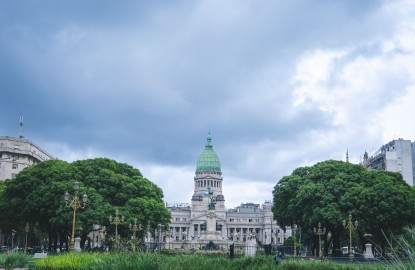
The world's longest mountain range — the Andes — stretches across the entire continent and shelters Machu Picchu, the Inca city in the clouds. The Amazon jungle is the world's largest tropical wilderness, where science still discovers new species every week. Argentina means Buenos Aires with tango and open-fire steaks, Patagonia with Perito Moreno glacier and Mount Fitz Roy. Brazil brings Rio's carnival, Iguazu Falls (wider than Niagara), and the Pantanal — Earth's largest tropical wetland, home to jaguars and giant otters. Bolivia offers the Uyuni Salt Flat — the planet's greatest mirror after rain. Chile stretches from the Atacama Desert to Antarctic ice — the full spectrum of nature in one country.
Caribbean
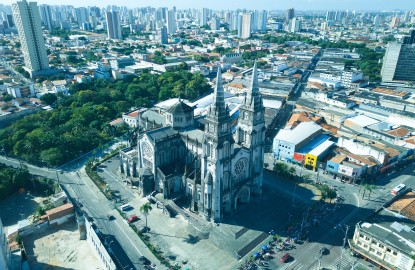
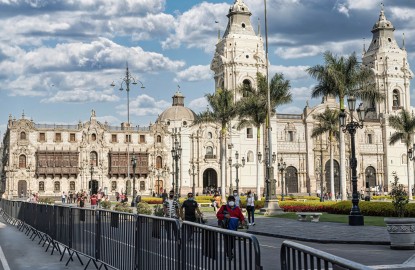
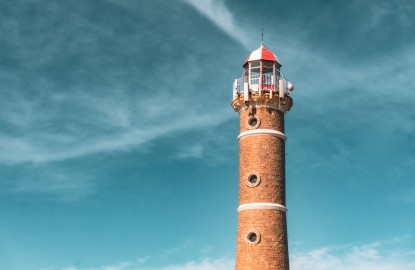
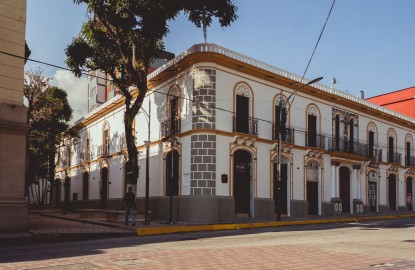
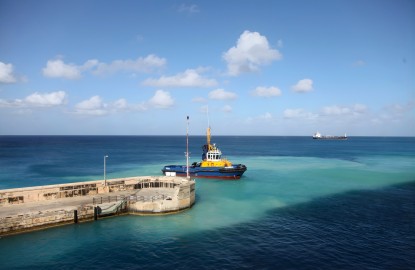
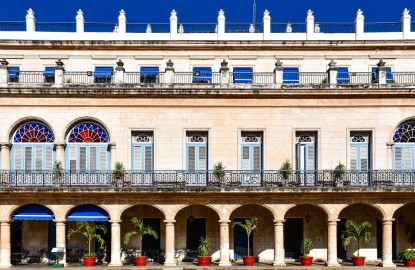
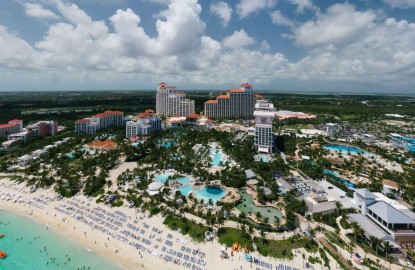
Over 700 islands and 7,000 smaller cays — the Caribbean holds the world's greatest concentration of beautiful beaches. Cuba has preserved the 1950s in amber: vintage American cars, faded colonial mansions, cigars, and Havana Club rum. Jamaica is the birthplace of reggae and Bob Marley, with the Seven Mile Beach at Negril. Barbados draws elite tourism alongside authentic fishing villages. Puerto Rico amazes with its blend of Latin soul and American comfort. For divers and snorkelers, the Caribbean Sea is among the finest on Earth: underwater visibility reaches 30 meters, and the reefs are staggering in diversity.
East Africa
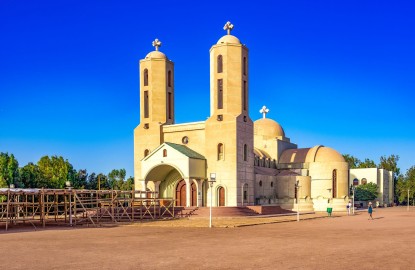
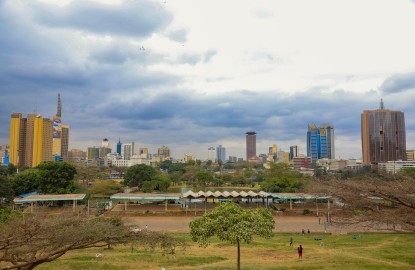
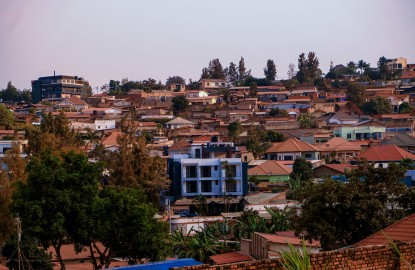
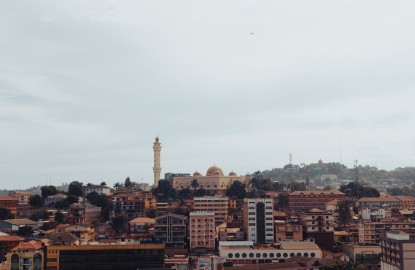
The Great Migration in the Serengeti is one of nature's greatest spectacles: over 1.5 million wildebeest cross the plains of Tanzania and Kenya, pursued by lions and crocodiles. Kilimanjaro is Africa's highest peak and one of the few seven-thousanders accessible without technical climbing. Gorilla trekking in Rwanda and Uganda — encountering mountain gorillas in their natural habitat — is an experience with few parallels. Zanzibar is an island with UNESCO-listed Stone Town, white sand beaches, and the scent of cloves. Ethiopia preserves the rock-hewn churches of Lalibela — one of Africa's most outstanding architectural wonders. The region is essential for anyone who dreams of a true safari.
Southern Africa
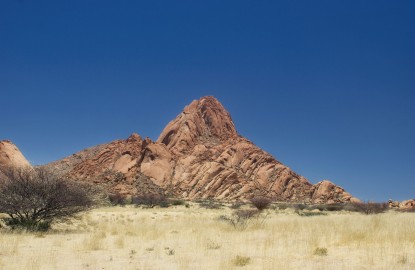
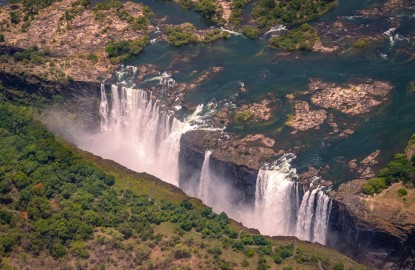
Cape Town consistently ranks among the five most beautiful cities on the planet: Table Mountain overlooking two oceans, the V&A Waterfront, and penguins at Boulders Beach. Kruger National Park is one of the world's largest and most accessible Big Five reserves — lion, elephant, buffalo, rhino, and leopard. The wine region of Stellenbosch and Franschhoek produces wines that beat French labels in blind tastings. Namibia stuns with the dead forest of Deadvlei in the Namib Desert. Zimbabwe offers Victoria Falls — 1,700 meters wide and 108 meters tall. Botswana offers premium safari in the Okavango Delta, the world's largest inland delta. The region blends urban sophistication with pristine wilderness like nowhere else.
North Africa
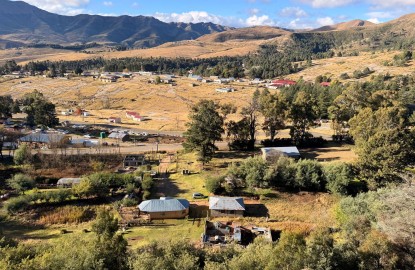
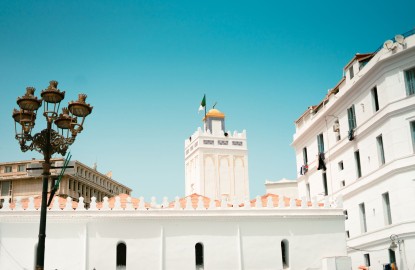
Egypt is more than monuments — it is the very cradle of civilization: the Giza pyramids were already ancient when the Greeks were building the Parthenon. Luxor and Karnak form the world's largest open-air museum. The Red Sea offers some of the finest diving conditions on Earth: Ras Muhammad, the Brothers Islands, and the underwater cliffs of Dahab. Morocco means the medinas of Fez and Marrakech, where it's easy to get lost in labyrinthine alleyways and find a spice market barely changed in a thousand years. The Sahara in Morocco, Tunisia, and Algeria offers sand dunes and sunrise from camelback. Tunisia preserves ancient Carthage and a highly developed coastal resort scene on the Mediterranean.
West Africa
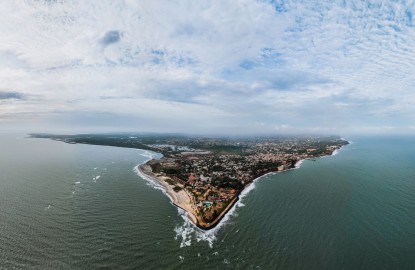
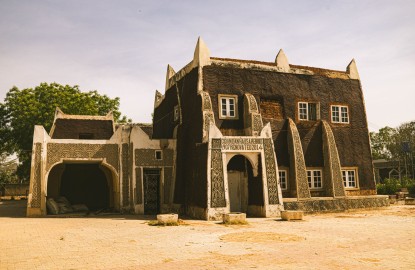
This is where blues and jazz were born — musical roots that changed the entire world. Senegal with its pink Lake Retba and vibrant Dakar art scene is one of the most welcoming countries on the continent. Ghana offers the slave-trade forts along its coast — a painful but essential part of understanding shared human history. Mali preserves Timbuktu — the legendary desert city, once a center of Islamic scholarship. Nigeria is Africa's most populous nation, with an explosive contemporary art scene and Nollywood — the world's third-largest film industry. The region remains largely undiscovered by tourists — which is exactly why traveling here feels like genuine exploration.
Oceania and Pacific Islands
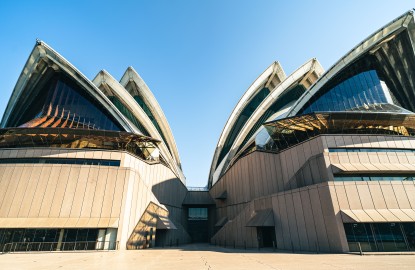
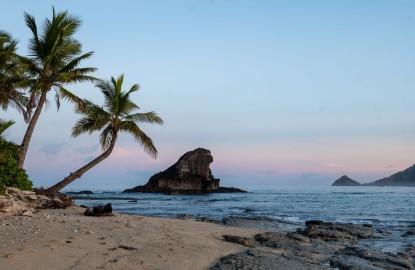
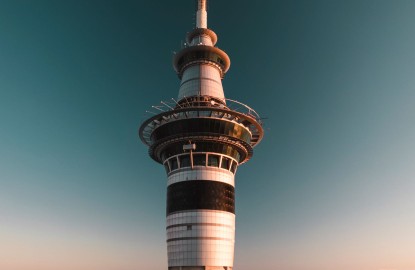
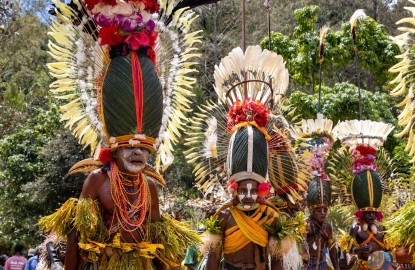
Australia is a continent-country where a single trip can take you to the Great Barrier Reef — the largest living structure on Earth — Uluru, the sacred Aboriginal monolith in the outback, and the Sydney Opera House. New Zealand became a tourism icon after The Lord of the Rings: the fjords of Milford Sound and the Fox and Franz Josef glaciers. Fiji and French Polynesia — Bora Bora, Moorea — are global synonyms for the perfect island honeymoon. Papua New Guinea remains one of the world's least tourism-visited countries: over 800 languages and cultures and pristine rainforests. Vanuatu offers land diving — the original inspiration for modern bungee jumping. The region is the most remote for most travelers — and therefore the most untouched.