Seville: A City of Contrasts and Surprises
About Seville
In the morning, as the sun begins to rise over the ancient rooftops of Seville, the city invites you on a unique stroll. You pause in a square where the air is still cool, yet the aroma of fresh bread and coffee is already in the air. The cobblestones beneath your feet are just starting to warm, and the silence is occasionally broken by the morning calls of street vendors.
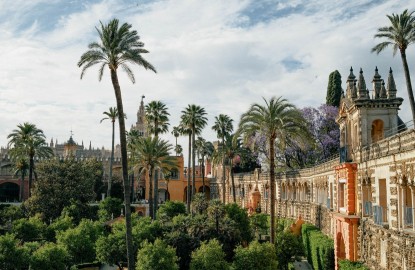
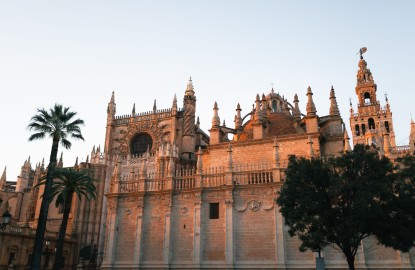
Seville is not just the heart of Andalusia. It is a place where the history of Roman, Arab, and Christian eras lives in every stone. A journey through this city is a voyage through centuries, thanks to its remarkable architectural gems like the Seville Cathedral and the Alcázar Palace. But don't be fooled: Seville is not just an open-air museum; it is a vibrant, pulsating city where the rhythms of flamenco echo through the streets, and cafes beckon with tapas.
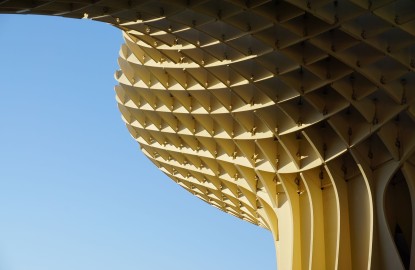
The city reveals its secrets gradually. A walk through the narrow streets of the Santa Cruz district can suddenly lead you to a stunning panorama from the wooden "Mushrooms" of Seville at the Plaza de la Encarnación. This structure has become a modern symbol of the city, contrasting with its ancient architecture. The delight in these contrasts makes Seville unforgettable.
Santa Cruz: Where History Meets the Present
The Santa Cruz district is the heart of Seville, where you'll find the most famous landmarks. Here stands the Seville Cathedral, the largest Gothic cathedral in the world, and the Royal Alcázar, which remains a residence of the Spanish kings. The narrow streets of Santa Cruz echo with the past of the Arab and Jewish eras. A stroll here is a journey through time, best begun early in the morning to avoid the crowds and truly feel the atmosphere of the past.
Metropol Parasol: Modernity in Wooden Form
The unusual wooden structure known as the Metropol Parasol or "Mushrooms" has become a new symbol of Seville. Located at the Plaza de la Encarnación, it offers panoramic views of the city. This architectural creation, designed by German architect Jürgen Mayer, houses a market, restaurants, and even an archaeological museum. In the evening, when the structure is illuminated, it becomes the epicentre of city life.
Flamenco: The Soul of Seville
You haven't truly seen Seville until you've immersed yourself in its flamenco. This passionate dance and music are the heart of Andalusian culture. Visit one of the many tablaos or clubs to experience the energy of genuine performers who convey their soul through movement and music. Flamenco is best enjoyed in the evening, as night falls over the city.
Gastronomy: From Tapas to Masterpieces
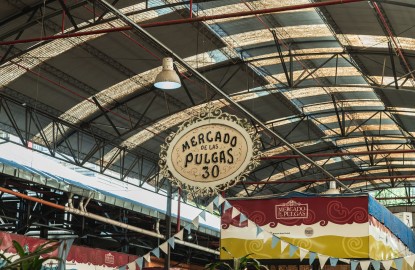
Sevillian cuisine impresses with its variety of flavours and aromas. Don't forget to try tapas—small snacks perfect for socialising over a glass of wine. Visit one of the traditional markets to enjoy fresh seafood, such as calamari, or sample local delicacies. The best time for gastronomic discoveries is the evening, when the streets fill with aromas and chatter.
When to Visit, How to Get Around
The best time to visit Seville is in the spring or autumn, when the weather is milder and the city is full of life. To experience more, stay for a few days and explore the diverse neighbourhoods. The public transport system makes it easy to get around the city, although the centre is best explored on foot, savouring every step.
Seville invites you to uncover its secrets and find your own inspiration among its streets and squares.
Places in Seville
What to see and where to go